Snorkeling Catalina Island

5 (1551 Reviews)
Dominican Republic
From: $79,00
5
(1,551 reviews)
Check

Duration

1 days

Tour Type

Daily Tour

Group Size

10 people

Languages

English, Espanol

About this tour

Summary

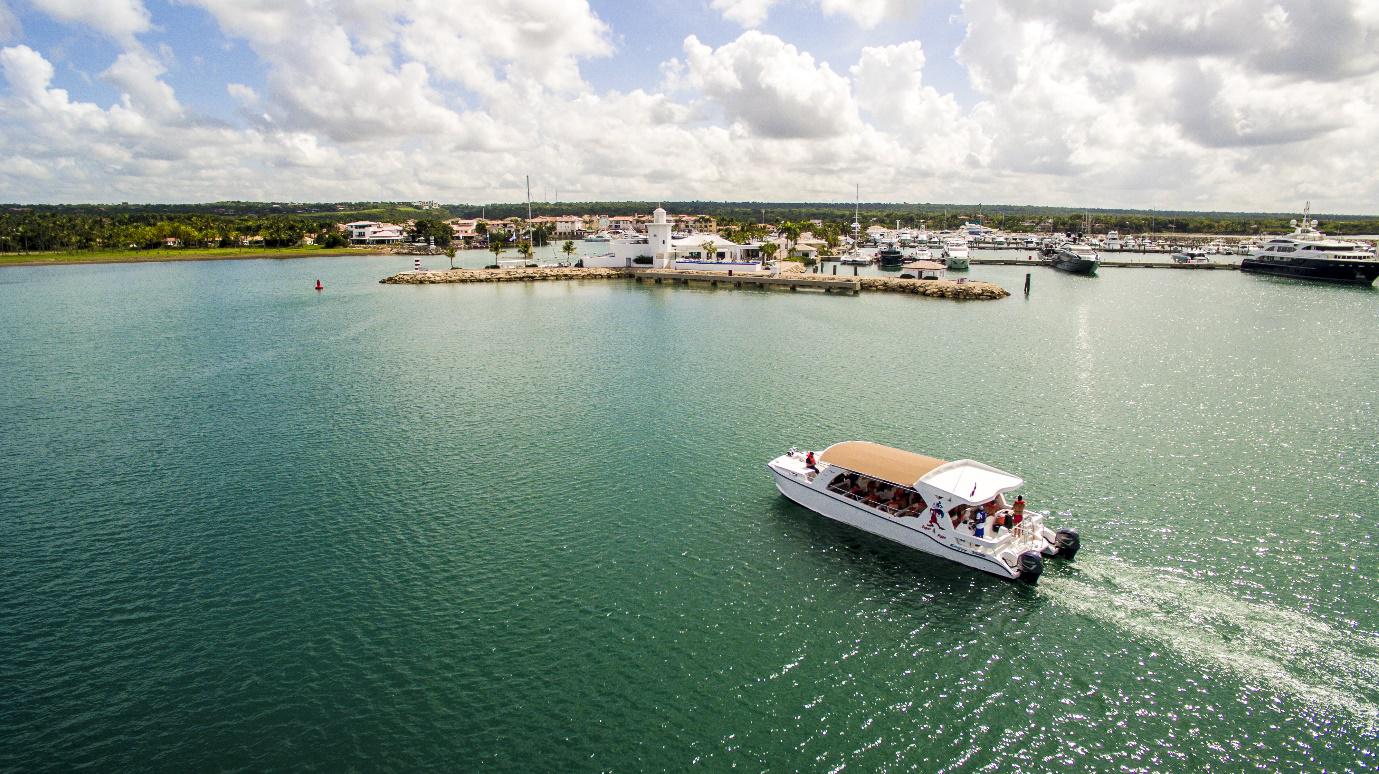
A tour visiting beautiful Catalina Island, well known for its spectacular snorkeling activity. On the way to the island, you will briefly sail through the river mouth of the Chavon River and pass in front of the Casa de Campo Marina. It includes national drinks featured at our open bar, lunch buffet, and free time in an exclusive Beach Club with tropical-Caribbean animation by our crew

Tour description

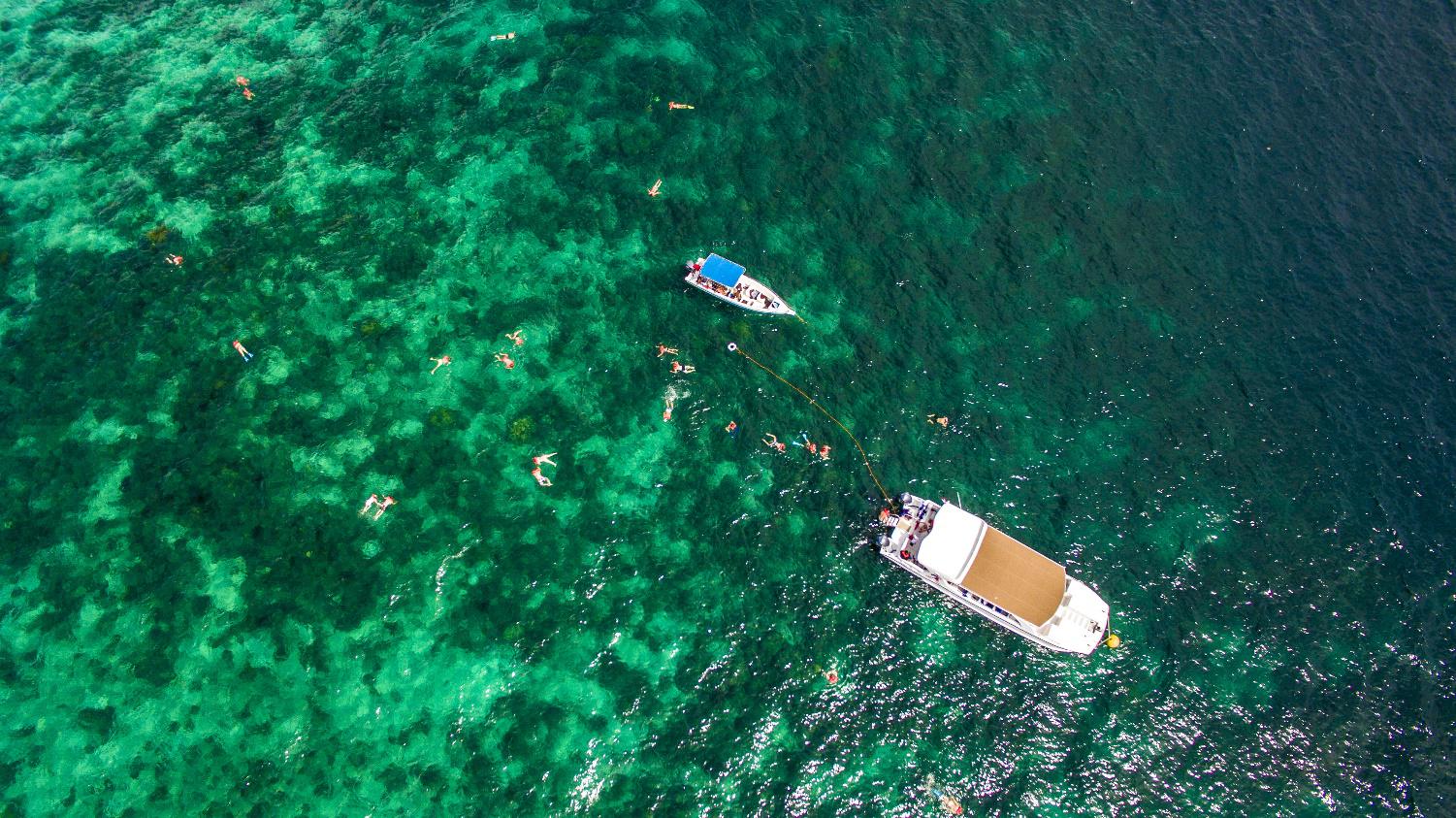
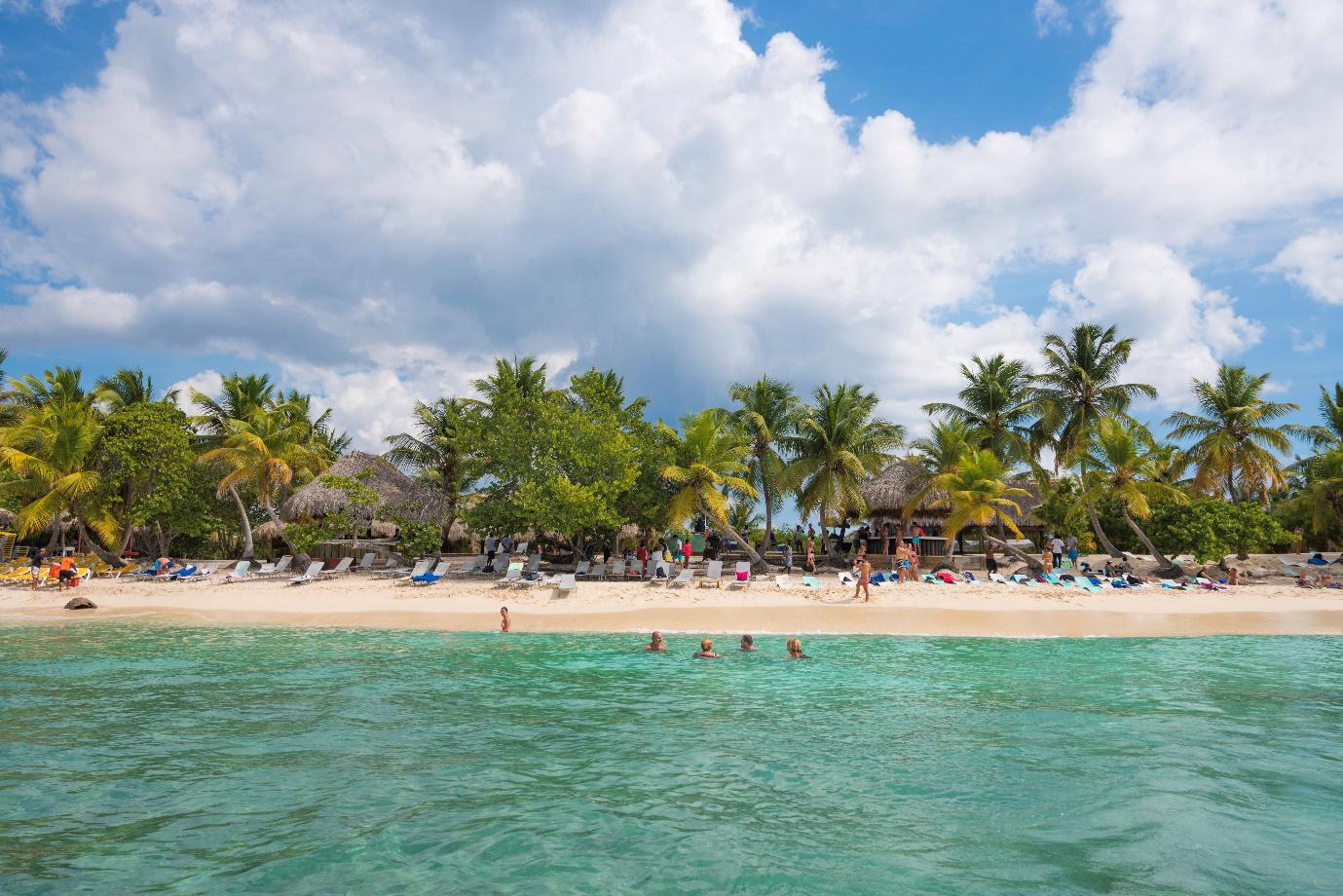
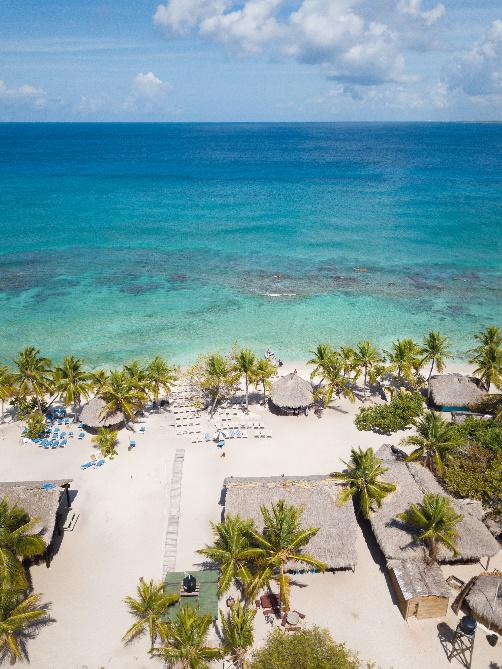
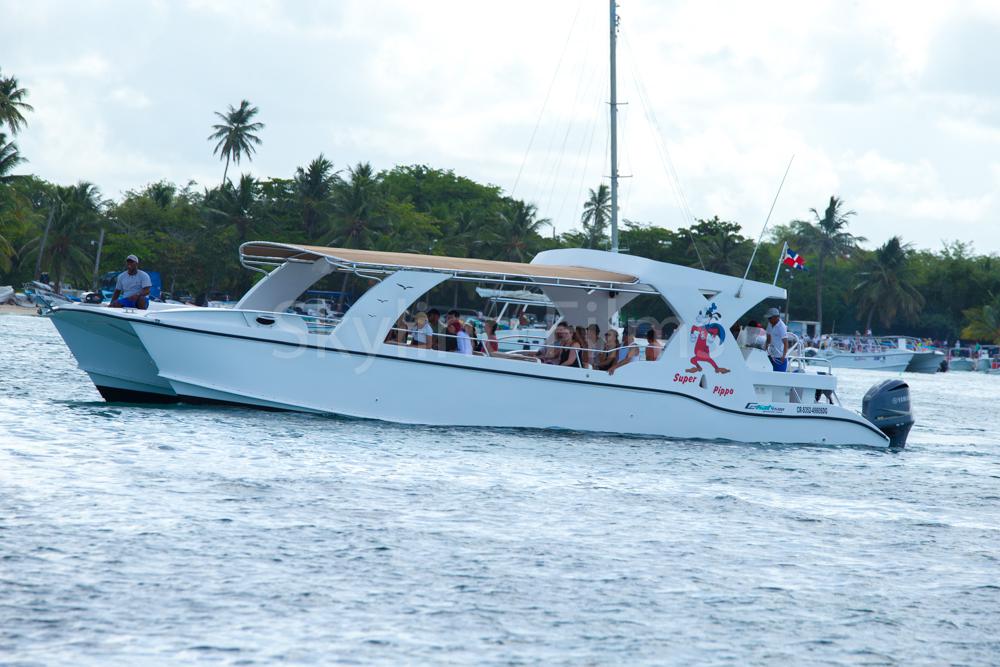
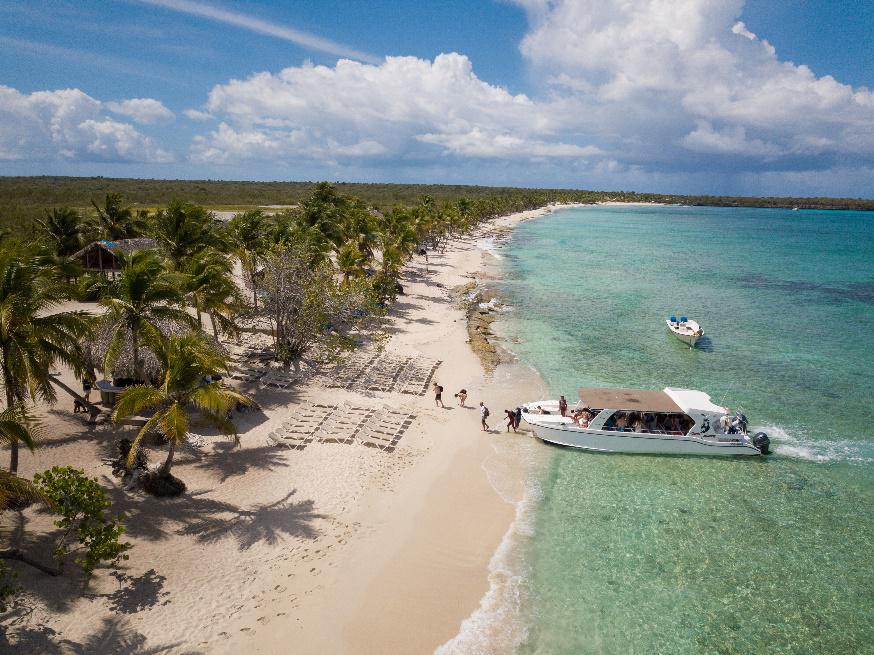
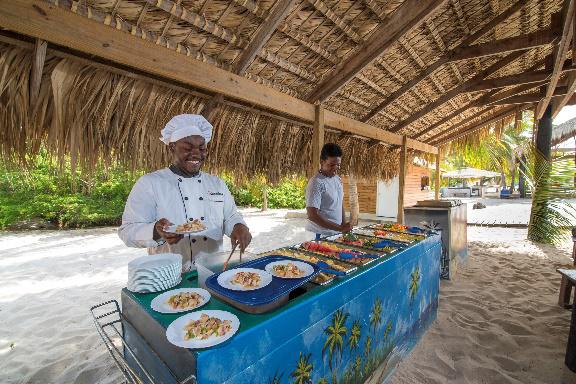
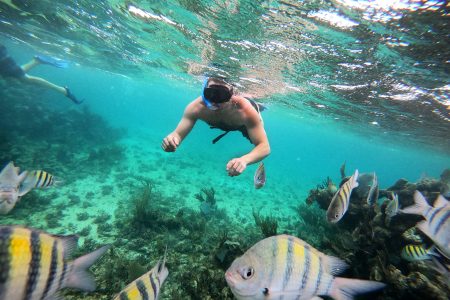
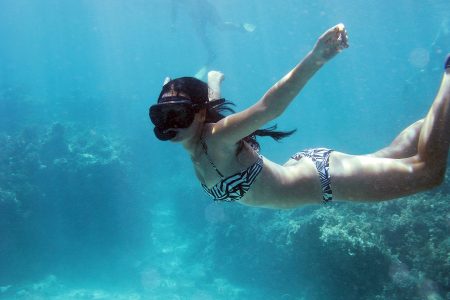
Leaving from the Fishing Village of Bayahibe and sailing towards Catalina Island, guests will pass by Casa de Campo Marina, and make a brief incursion navigating the river mouth of the Chavon River. Guests will then head to Catalina Island to enjoy a spectacular snorkeling location in the well-known area called La Pared. The necessary equipment for the activity will be provided. The tour will continue to the exclusive Beach Club, where guests will have free time to enjoy and spend on the relaxing white beach and crystal-clear sea. Also, our favorite drinks, ‘‘Santo Libre’’ or ‘‘Cuba Libre,’’ will be available in the open bar of national drinks and sodas. Don’t forget to ask for it! A delicious lunch with an assorted buffet will be available. After lunch, according to your desire, you can take part in fun and dances animated by our crew or keep enjoying your free time sunbathing and relaxing.

Note: Alcoholic drinks will be served only after the snorkeling activity.

Highlights

  • Spectacular Snorkeling

  • Views of Rio Chavon and Marina Casa de Campo

  • National drinks open bar

  • Catalina exclusive Beach Club

What’s Included

  • English speaking Tour Guide Service

  • Ground Transportation in Buses with A/C

  • Entrance fee to the National Park of the East

  • Navigation trip, in Sailing Catamaran or Motomaran

  • Snorkel Equipment

  • National Drinks Open Bar

    • Water, Soft Drinks on Board, navigating before Snorkeling

    • Rum, Water, Soft Drinks on Board, navigating after Snorkeling

    • Beer, Rum, Water, Soft Drinks at the Catalina Beach Club

  • Lunch buffet at the Catalina Beach Club

Recommendations

  • Beach Clothes

  • swimwear

  • Comfortable Shoes

  • Beach Towel

  • Sunglasses

  • Sunscreen

  • Hat or Cap

Duration

  • Full Day Activity

  • Activity Duration, 6 to 7 hours

  • Hotels Pick-Up and Transfers to/from Bayahibe, from 1 hour and a half to 2 and a half hours approximately each way

  • Duration, Activity + Transportation, 7 hours and a half to 12 hours approximately, depending on the location of your hotel

Availability to Book the Activity

  • Ask us for your desired day or range of days

Children’s policy

  • Children: older than 2 years younger than 12 years

  • Infants: younger than 2 years

Pregnancy policy

  • Due to the characteristics of navigation, pregnant women are not allowed on this activity

Special requirements (for the Snorkel)

  • Minimum age to snorkel, 6 years

  • Children always accompanied by adults

HIGHLIGHTS

  • Spectacular Snorkel
  • Views of Rio Chavon and Marina Casa de Campo
  • Open Bar
  • Catalina Exclusive Beach Club

Included/Excluded

  • Tour Guide Service
  • Ground Transportation in Buses with Air Conditioning
  • Maritime Transport: Sailing Catamaran or Motomaran
  • Entrance to the National Park of the East
  • Snorkel Equipment
  • Open Bar, National Drinks
  • Buffet Lunch
  • Additional Services
  • Insurance

Durations

Fullday (+7hours)

Languages

English
Espanol

Tour's Location

Dominican Republic

Reviews

5/5
Excellent
(1,551 reviews)
Excellent
1551
Very Good
0
Average
0
Poor
0
Terrible
0
1,551 reviews on this Tour - Showing 640 to 642
Cancùn

Anthonywreda

04/05/2025

safepal

Scientists redid an experiment that showed how life on Earth could have started. They found a new possibility [url=https://web-safepal.com]safepal[/url] In the 1931 movie “Frankenstein,” Dr. Henry Frankenstein howling his triumph was an electrifying moment in more ways than one. As massive bolts of lightning and energy crackled, Frankenstein’s monster stirred on a laboratory table, its corpse brought to life by the power of electricity. Electrical energy may also have sparked the beginnings of life on Earth billions of years ago, though with a bit less scenery-chewing than that classic film scene. Earth is around 4.5 billion years old, and the oldest direct fossil evidence of ancient life — stromatolites, or microscopic organisms preserved in layers known as microbial mats — is about 3.5 billion years old. However, some scientists suspect life originated even earlier, emerging from accumulated organic molecules in primitive bodies of water, a mixture sometimes referred to as primordial soup. But where did that organic material come from in the first place? Researchers decades ago proposed that lightning caused chemical reactions in ancient Earth’s oceans and spontaneously produced the organic molecules. Now, new research published March 14 in the journal Science Advances suggests that fizzes of barely visible “microlightning,” generated between charged droplets of water mist, could have been potent enough to cook up amino acids from inorganic material. Amino acids — organic molecules that combine to form proteins — are life’s most basic building blocks and would have been the first step toward the evolution of life.
View More
Cancùn

EdwardAbids

04/05/2025

beefy fi

New design revealed for Airbus hydrogen plane [url=https://v2-beefy.net]beefy fi[/url] In travel news this week: Bhutan’s spectacular new airport, the world’s first 3D-printed train station has been built in Japan, plus new designs for Airbus’ zero-emission aircraft and France’s next-generation high-speed trains. Grand designs European aerospace giant Airbus has revealed a new design for its upcoming fully electric, hydrogen-powered ZEROe aircraft. powered by hydrogen fuel cells. The single-aisle plane now has four engines, rather than six, each powered by their own fuel cell stack. The reworked design comes after the news that the ZEROe will be in our skies later than Airbus hoped. The plan was to launch a zero-emission aircraft by 2035, but now the next-generation single-aisle aircraft is slated to enter service in the second half of the 2030s. Over in Asia, the Himalayan country of Bhutan is building a gloriously Zen-like new airport befitting a nation with its very own happiness index. Gelephu International is designed to serve a brand new “mindfulness city,” planned for southern Bhutan, near its border with India. In rail travel, Japan has just built the world’s first 3D-printed train station, which took just two and a half hours to construct, according to The Japan Times. That’s even shorter than the whizzy six hours it was projected to take. France’s high-speed TGV rail service has revealed its next generation of trains, which will be capable of reaching speeds of up to 320 kilometers an hour (nearly 200 mph). The stylish interiors have been causing a stir online, as has the double-decker dining car. Finally, work is underway in London on turning a mile-long series of secret World War II tunnels under a tube station into a major new tourist attraction. CNN took a look inside.
View More
Cancùn

Freddiesax

04/05/2025

connext network

Some scientists believe that fatty acids such as decanoic acid and dodecanoic acid formed the membranes of the first simple cell-like structures on Earth, Pearce said. [url=https://connexf.net]connext network[/url] “(This is) the closest we’ve come to detecting a major biomolecule-related signal — something potentially tied to membrane structure, which is a key feature of life,” Pearce said via email. “Organics on their own are intriguing, but not evidence of life. In contrast, biomolecules like membranes, amino acids, nucleotides, and sugars are central components of biology as we know it, and finding any of them would be groundbreaking (we haven’t yet).” Returning samples from Mars The European Space Agency plans to launch its ExoMars Rosalind Franklin rover to the red planet in 2028, and the robotic explorer will carry a complementary instrument to SAM. The rover LS6 will have the capability to drill up to 6.5 feet (2 meters) beneath the Martian surface — and perhaps find larger and better-preserved organic molecules. While Curiosity’s samples can’t be studied on Earth, the Perseverance rover has actively been collecting samples from Jezero Crater, the site of an ancient lake and river delta, all with the intention of returning them to Earth in the 2030s via a complicated symphony of missions called Mars Sample Return. Both rovers have detected a variety of organic carbon molecules in different regions on Mars, suggesting that organic carbon is common on the red planet, Williams said. While Curiosity and Perseverance have proven they can detect organic matter, their instruments can’t definitively determine all the answers about their origins, said Dr. Ashley Murphy, postdoctoral research scientist at the Planetary Science Institute. Murphy, who along with Williams previously studied organics identified by Perseverance, was not involved in the new research. “To appropriately probe the biosignature question, these samples require high-resolution and high-sensitivity analyses in terrestrial labs, which can be facilitated by the return of these samples to Earth,” Murphy said.
View More

Write a review

From: $79,00
5 (1551 Reviews)

    Send a message

    Owner

    BestInternationalTours

    Member Since 2022

    Explore other options

    ×